India’s Energy Security at Risk: The Strait of Hormuz Crisis and its Ripple Effects

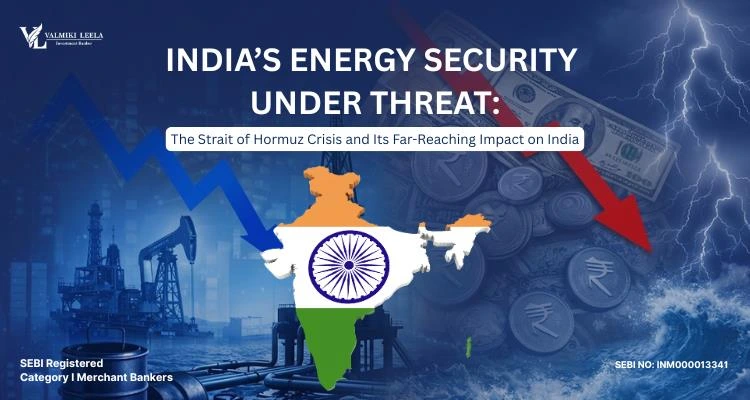
The recent escalation of tensions in the Strait of Hormuz has once again underscored the fragility of India’s energy security. As one of the world’s largest importers of oil and gas, India finds itself particularly vulnerable to disruptions in this critical maritime chokepoint. Any prolonged closure or threat of closure could send shockwaves through the economy, affecting everything from household budgets to industrial output and food security.
Key Takeaways:
- India imports over 85% of its crude oil, with nearly 60% of seaborne imports passing through the Strait of Hormuz.
- LPG, which meets nearly 70% of household cooking needs in both urban and rural India, faces acute supply risks due to heavy reliance on Gulf sources.
- Strategic petroleum reserves currently provide only 10–12 days of cover at normal consumption levels.
- Escalation in the region could trigger higher inflation, rupee depreciation, and potential stagflation ARY pressures on the Indian economy.
Anatomy of the Checkpoint:
The Strait of Hormuz serves as the narrow gateway connecting the Persian Gulf to the Arabian Sea and the broader Indian Ocean. It is the world’s most critical oil transit route, through which approximately one-fifth of global oil consumption flows daily.
For India, the stakes are even higher. A significant portion of the country’s crude oil imports originates from Gulf nations such as Saudi Arabia, Iraq, the United Arab Emirates, and Kuwait. These shipments must navigate the strait, making India highly exposed to any geopolitical instability in the region.
Tankers carrying millions of barrels of oil pass through this 21-mile-wide waterway every day under the constant threat of potential conflict. Even a temporary disruption could lead to immediate spikes in global oil prices and severe logistical challenges for importers like India.
The LPG Household Shock:
LPG has become the backbone of India’s household energy needs. It powers cooking in millions of kitchens across both urban and rural households, thanks in large part to schemes such as the Pradhan Mantri Ujjwala Yojana.
Nearly 70% of Indian households now rely on LPG for daily cooking, with a substantial share of supplies coming from imports, particularly from Gulf countries.
Any disruption in the Strait of Hormuz would directly affect LPG availability and pricing. Imported LPG constitutes a major portion of domestic supply, and higher international prices would quickly translate into increased costs for consumers.
Subsidised cylinders under government schemes could see mounting fiscal pressure, while unsubsidised households would face sharp price hikes.
This could disproportionately affect lower- and middle-income families, potentially reversing gains in clean cooking fuel adoption and pushing many backs toward traditional biomass fuels.
Macroeconomics Scenarios: From De-escalation to Stagflation:
The impact on India’s economy would vary depending on the duration and severity of the disruption:
- Short-term de-escalation scenario: A brief spike in oil prices followed by quick resolution would lead to moderate inflationary pressure and temporary rupee weakening. The government could manage this through drawdowns from strategic reserves and targeted subsidies.
- Prolonged disruption scenario: Sustained high oil prices would feed into broader inflation, increase the import bill, and widen the current account deficit. The rupee could come under significant pressure, raising the cost of all imports, including essential raw materials and capital goods.
- Stagflation risk: In the worst case, a combination of high inflation and slowing economic growth could emerge. Rising input costs for industries, higher transportation expenses, and reduced consumer spending power might dampen GDP growth while keeping inflation elevated. This would create a particularly challenging environment for monetary policy.
Fertilizer and Food Security Implications:
India’s agriculture sector, already sensitive to energy costs, would face additional strain. Natural gas is a key feedstock for urea and other fertilizer production. Higher gas prices or supply disruptions would raise fertilizer costs, which could then translate into higher input costs for farmers.
In a country where food inflation remains a persistent concern, this could lead to broader increases in food prices, affecting overall food security.
The ripple effects would extend to rural economies, where higher energy and fertilizer costs might reduce farm incomes and increase dependence on government support. Maintaining affordable food supplies while managing energy shocks would test the government’s fiscal and policy bandwidth.
Oil Marketing Companies Under Stress:
India’s public sector oil marketing companies such as Indian Oil Corporation, Bharat Petroleum, and Hindustan Petroleum would bear the immediate brunt of higher crude and product prices. Under-recoveries on sensitive petroleum products like diesel, LPG, and kerosene could balloon, straining their balance sheets.
The government might need to step in with budgetary support or allow price increases, both of which carry political and economic costs. Past episodes of oil price volatility have shown how quickly OMC losses can accumulate, requiring fiscal intervention that diverts resources from other development priorities.
Supply Diversification Efforts:
In response to such vulnerabilities, India has been actively pursuing supply diversification. The country has increased imports from non-Gulf sources, including the United States, Russia, and Latin American nations.
Long-term contracts and strategic partnerships aim to reduce dependence on any single region. Additionally, investments in renewable energy, domestic exploration, and strategic petroleum reserves are part of a broader strategy to build resilience. However, these efforts take time to yield results. In the near term, the dominance of Gulf supplies in India’s energy mix remains a structural challenge that cannot be wished away overnight.
Energy Transition Implications:
The Hormuz crisis highlights the urgent need to accelerate India’s energy transition. Greater reliance on domestic renewables, nuclear power, and green hydrogen could gradually reduce exposure to imported fossil fuels.
Initiatives such as the National Green Hydrogen Mission and expanded solar and wind capacity are steps in the right direction. Yet, the transition must be managed carefully to ensure energy security and affordability during the shift.
The RBI’s Policy Bind:
For the Reserve Bank of India, a major energy shock would create a difficult trade-off. Rising inflation from higher oil prices would call for tighter monetary policy to anchor expectations. At the same time, slowing growth due to higher input costs and reduced consumption might require supportive measures.
Balancing these conflicting objectives could limit the central bank’s room for manoeuvre, especially if the rupee depreciates sharply and imported inflation intensifies.
Outlook:
The Strait of Hormuz crisis serves as a stark reminder of India’s energy vulnerabilities in an uncertain geopolitical landscape. While short-term measures such as reserve drawdowns, diplomatic engagement, and targeted fiscal support can provide a buffer, the long-term solution lies in reducing import dependence through diversification, domestic production, and a steady energy transition.
Policymakers must treat this as a wake-up call to strengthen strategic reserves, accelerate alternative sourcing, and invest more decisively in non-fossil fuel options.
India’s economic resilience will depend on how effectively it navigates this delicate balance between immediate energy needs and sustainable long-term security.
In an increasingly volatile world, energy security is not just an economic issue, it is a strategic imperative that will shape India’s growth trajectory for years to come. Proactive and forward-looking policies today can help safeguard the economy against tomorrow’s shocks.