India’s Power Sector 2026: Driving a Sustainable Energy Future

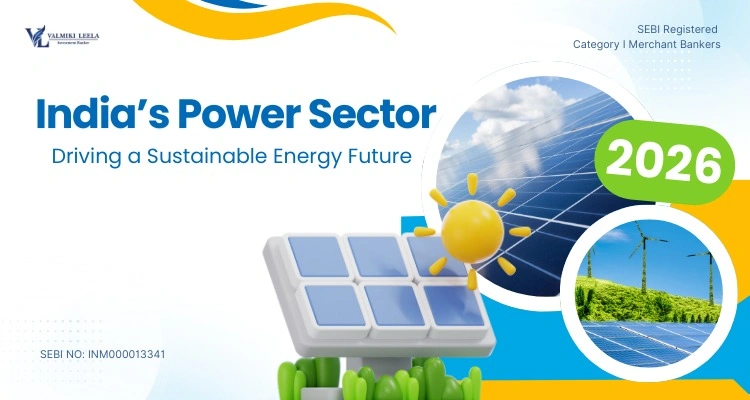
India’s power sector in early 2026 reflects resilience, rapid growth, and a clear shift toward a cleaner future. Installed capacity has crossed 520 GW, supported by rising electricity demand from urbanization, electric vehicles, data centres, and expanding infrastructure. Renewable energy sources such as solar, wind, hybrids, and hydro are taking a larger share, while thermal power, hydro reserves, and emerging energy storage systems continue to ensure grid stability.
This growth is also driven by strong policy support. Initiatives like the Production Linked Incentive (PLI) scheme are boosting domestic manufacturing, reducing import dependence, and strengthening the supply chain for equipment ranging from wind turbines to solar components. As India continues to modernize its energy ecosystem, the focus now lies on strengthening the three key pillars of the sector: generation, transmission, and distribution, while addressing challenges and unlocking new opportunities for long term sustainable growth.
Generation: The Engine of Endless Energy
Power generation drives India’s energy transformation. With total installed capacity exceeding 520 GW, renewables are at the forefront. Vast solar parks span deserts, wind farms harness coastal gusts, and hybrid projects blend sources for steadier output. Hydropower provides dependable baseload and peaking support, complemented by battery energy storage systems (BESS), pumped hydro, and other technologies that address renewable intermittency.
Key demand drivers include:
- Urbanization and infrastructure boom (metros, airports, smart cities)
- Electrification surge (EVs, fully electric railways, Make in India manufacturing)
- Digital explosion (data centers and AI, set to multiply demand in the coming decade)
Growth extends beyond mere capacity addition to smarter integration. Thermal plants ensure baseload stability, minimizing shortages. Demand surges for boilers, turbines, generators, solar modules, inverters, wind components, and efficient balance-of-plant systems.
Energy storage has evolved from niche to essential, with lithium-ion, flow batteries, and pumped hydro stabilizing the grid. PLI schemes have lowered costs, generated jobs, and advanced India’s target of 500 GW non-fossil capacity by 2030.
Innovation is accelerating: advanced materials enhance durability, AI optimizes operations, and recycling addresses end-of-life panels. Generation is evolving into a cornerstone of clean, sustainable energy.
Transmission: The Invisible Highways of Power
Transmission is the vital network delivering power from generation sites to load centers. India operates one of the world’s largest unified grids, with over 5 lakh circuit kilometers of lines (220 kV and above) and transformation capacity exceeding 14 lakh MVA as of January 2026. High-voltage corridors and HVDC links efficiently transport renewable energy from resource-rich regions like Rajasthan to high-demand states such as Maharashtra.
Substations are evolving with Air Insulated Substations in rural areas and compact Gas Insulated Substations in dense urban and industrial zones. Digital substations, SCADA, and smart grid technologies support real-time monitoring, predictive maintenance, and automated load balancing.
Challenges include right-of-way delays, forest clearances, land acquisition, difficult terrain, and costly underground cabling in cities. Reforms like Tariff-Based Competitive Bidding and technologies such as drones, advanced surveying, and BIM are helping speed up project execution. As electricity demand and renewables grow, transmission expansion is creating strong demand for towers, conductors, insulators, hardware, EPC services, and high-voltage solutions.
Distribution: Modernizing the Last Mile for Equity and Efficiency
Distribution is where electricity reaches consumers, but it is also the most stressed part of the system. DISCOMs face long-standing challenges such as below-cost tariffs, delayed subsidies, and high technical and commercial losses, often around 20%. Energy theft, faulty billing, and aging infrastructure create financial strain that affects the entire power chain.
The Revamped Distribution Sector Scheme (RDSS), a ₹3 lakh crore government initiative, is addressing these issues. Nearly 5.5 crore prepaid smart meters have been installed, feeders are being segregated to ensure reliable supply, and loss reduction targets are set at 12–15%. The scheme links funding to performance, encouraging DISCOMs to modernize efficiently.
The results are visible: transparent billing reduces theft, AI-based analytics anticipate demand, and underground HT/LT cables strengthen urban networks. Initiatives like renewable integration at the consumer level and virtual power purchase agreements for corporates further improve efficiency and financial health.
For the ecosystem, distribution's revival is a supply chain symphony:
- Power and distribution transformers for voltage stepping.
- Switchgear, protection relays, and GIS modules for safety.
- Cables and conductors for resilient last-mile delivery.
- Metering and SCADA specialists for digital oversight.
Civil works for urban substations and project management firms support smooth project execution. With electrification picking up through EV adoption, rooftop solar, and industrial clusters, the distribution segment is entering a strong capex cycle, offering steady revenues and lower financial risks.
Navigating Challenges: Resilience in the Face of Headwinds
Challenges endure: transmission delays, distribution fiscal stress, renewable variability, and extreme weather. Responses include policy reforms (competitive bidding, RDSS performance-linked funding), PLI localization, private EPC involvement, GIS/digital twins for risk mitigation, and stakeholder collaboration for faster approvals.
Sustainability remains core, with corporate green PPAs, storage advances, and hydrogen exploration paving the way.
Opportunities Unleashed: A Multi-Year Gold Rush
Converging trends create enduring investment prospects. EPC firms win large EHV and RDSS orders; manufacturers of towers, transformers, switchgear, insulators, and cables expand under localization. Engineering firms leverage BIM and digital tools for precision.
Electricity demand is projected to double by 2035, providing long-term visibility. Investors gain from stable infrastructure yields combined with green energy upside.
A Bright Horizon: Powering India’s Tomorrow
In 2026, India’s power sector is not merely growing; it is transforming. With over 520 GW of diverse generation, a transmission backbone exceeding 5 lakh ckm, and a revitalized distribution network, the ecosystem operates as an integrated, efficient whole.
Challenges spur innovation, and policies accelerate progress. For manufacturers, EPC players, utilities, investors, and communities, the message is clear: engage now.
As India marches toward net-zero ambitions, this sector delivers reliable power to every home, clean energy to industries, and a sustainable foundation for generations ahead. The momentum is unstoppable, and the future is bright.